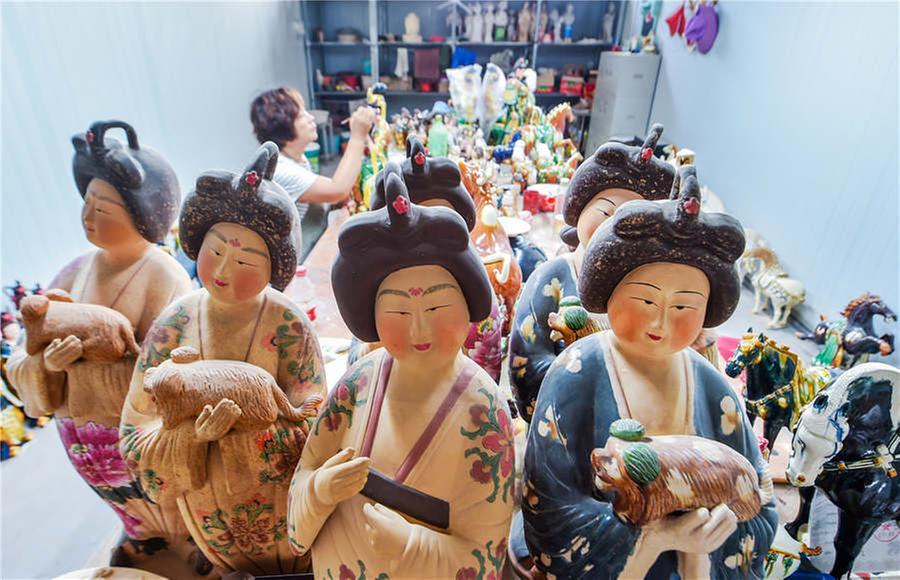
Tang Tri-colored Glazed Pottery
Introduction
Tang tri-colored glazed pottery, also known as Tang Sancai, is a type of Chinese pottery that dates back to the Tang Dynasty (618-907). This art form is renowned for its vibrant and colorful glazes, which include shades of amber, green and white, and sometimes blue and purple. The pottery is famous for its realistic and lifelike figures, which reflect the grandeur and opulence of the Tang Dynasty. The pieces often include representations of humans, animals and mythical creatures, showcasing the diverse cultural and social aspects of that era.
Historical Significance
The Tang Dynasty is considered one of the most flourishing periods in Chinese history, known for its cultural, economic and political achievements. Tang tri-colored glazed pottery epitomizes the artistic and cultural zenith of this era. These artifacts were typically used as funerary objects, intended to accompany the deceased in the afterlife. They were buried in tombs to provide comfort and status to the departed, reflecting the beliefs and practices of ancient Chinese society regarding death and the afterlife.
The pottery's striking use of color and glaze demonstrated advancements in ceramic technology during the Tang Dynasty. The glazes were made using lead-based compounds that were fired at high temperatures, a technique that allowed for a wide range of colors and a glossy finish. The innovation in glazing techniques symbolizes the Tang Dynasty's openness to new ideas and influences, as well as its interactions with other cultures along the Silk Road.
Production Techniques
The creation of Tang tri-colored glazed pottery was a complex process that required skilled craftsmanship. The production involved several stages, including shaping the clay, applying the glaze, and firing the pieces in a kiln. The clay was first shaped into the desired form, often depicting figures of people, animals or mythical beings. Once the basic shape was achieved, the pottery was left to dry before applying the glaze.
The glazing process was intricate, involving the application of different colored glazes to create the multi-colored effect. The potters used metal oxides to produce vibrant hues; for instance, copper oxide resulted in green, iron oxide in brown and cobalt for blue. After glazing, the pottery was fired in a kiln at high temperatures, which allowed the glazes to melt and form a glossy surface. This firing process was crucial as it determined the final appearance of the pottery, with the heat causing the colors to meld and create the distinctive tri-colored effect.
Cultural Impact
Tang tri-colored glazed pottery holds significant cultural importance, not only as a form of artistic expression but also as a historical record. The figurines often depicted scenes from daily life, court life, military parades and the Silk Road, providing valuable insights into the social hierarchy, fashion and customs of the Tang Dynasty. The pottery pieces also illustrated the cosmopolitan nature of the Tang era, capturing influences from Persia, India and other regions connected through trade.
Today, Tang tri-colored glazed pottery is considered a cultural treasure and is exhibited in museums worldwide. These artifacts continue to be studied for their historical, artistic and technological significance. They also serve as a source of inspiration for modern artists and designers, influencing contemporary art and fashion.
Modern Appreciation and Revival
In recent years, there has been a resurgence of interest in Tang tri-colored glazed pottery, with efforts to preserve and revive the traditional techniques used in its production.
Contemporary cultural events, such as dance shows inspired by Tang tri-colored glazed pottery, have also contributed to the revival of interest in this art form. These performances often use modern technology and artistic expression to reinterpret the cultural and historical essence of the Tang Dynasty, making it accessible and engaging for today's audience.
The integration of Tang tri-colored glazed pottery into modern cultural narratives highlights its enduring legacy and its ability to bridge the past with the present, offering a glimpse into the rich heritage of the Tang Dynasty while continuing to inspire new generations.








